
What is HDB Hacking in Singapore Renovation?
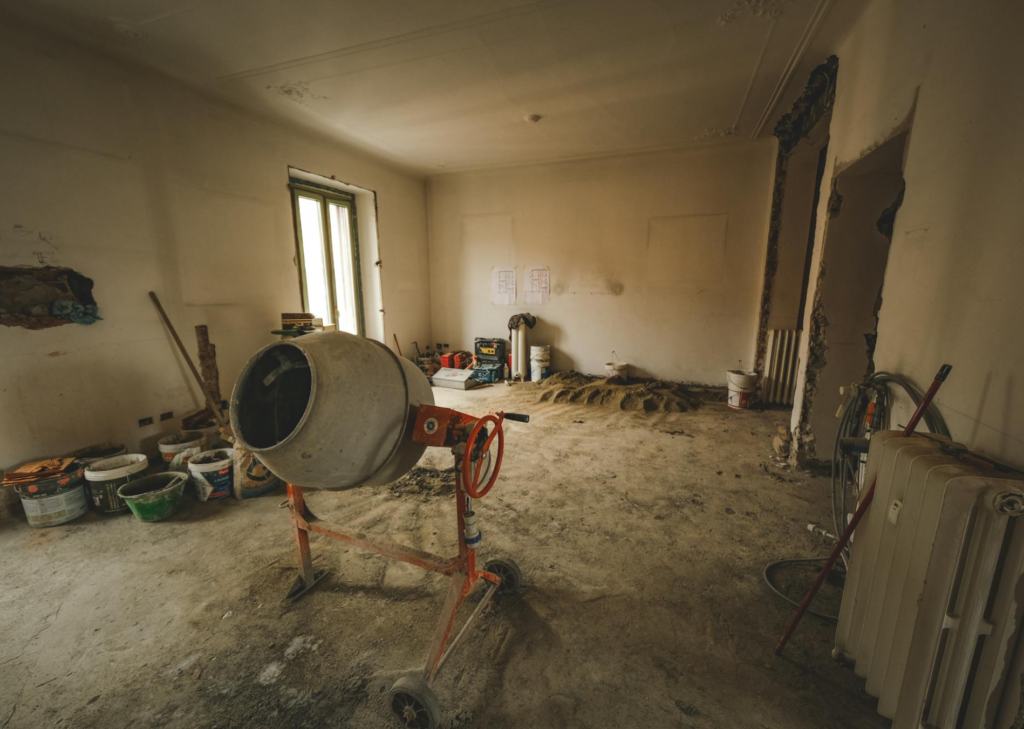
In Singapore HDB renovation projects, “hacking” refers to the demolition or removal of existing built-in structures within an HDB flat.
Common hacking works include:
- Removing internal walls to create open spaces
- Breaking floor tiles, wall tiles, or screed
- Dismantling kitchen cabinets or bathroom fittings
- Cutting concrete surfaces or ceilings
- Creating new door or window openings
Hacking is a key part of modern HDB renovation, especially for homeowners who want open-concept layouts or upgraded interiors. However, it is strictly regulated by HDB.
Why is an HDB Hacking Permit Required?
An HDB hacking permit in Singapore is mandatory because renovation works can affect building safety and structural integrity.
Key reasons include:
1. Structural Safety
Some walls are load-bearing. Removing them without approval can compromise the entire building structure.
2. Protection of Utilities
Hacking may expose electrical wiring, water pipes, or gas lines, which can be dangerous if mishandled.
3. Noise & Community Control
HDB regulates renovation timing to reduce disturbance to neighbours.
4. Legal Compliance
Unauthorized hacking can lead to fines, penalties, and mandatory reinstatement of the flat.
What HDB Hacking Works Require a Permit?
You must apply for an HDB renovation permit if your works involve:
- Demolishing or altering walls
- Removing floor or wall tiles
- Cutting concrete structures
- Creating new openings (doors/windows)
- Modifying household shelter openings
No Permit Required For:
- Painting walls
- Installing lights or fans
- Replacing cabinet doors
- Minor decorative works
When unsure, always consult an HDB-approved contractor.
How to Apply for an HDB Hacking Permit
Here is the step-by-step HDB renovation permit process in Singapore:
Step 1: Engage an HDB-Registered Contractor
Only HDB-approved renovation contractors can submit hacking permit applications.
Step 2: Submit Renovation Application
Your contractor will apply via the HDB e-Service system with:
- Floor plans
- Scope of hacking works
- Structural details
Step 3: HDB Review & Approval
Approval usually takes:
- 1–2 weeks for standard works
- Longer if a Professional Engineer (PE) report is required
Step 4: Permit Issuance
Once approved, the permit must be:
- Printed
- Displayed at your HDB unit entrance during renovation
HDB Renovation Duration & Permit Validity
HDB hacking permits in Singapore come with strict timelines:
- New BTO flats: Up to 3 months
- Resale flats: Typically 1 month
If renovation exceeds the approved timeline, you must apply for an extension.
Common Mistakes to Avoid During HDB Hacking
Avoid these costly renovation errors:
❌ Starting work without approval
This can lead to fines and forced restoration.
❌ Hiring non-HDB licensed contractors
Only registered contractors are allowed to carry out hacking works.
❌ Removing structural walls blindly
Not all walls can be removed—some are load-bearing.
❌ Ignoring renovation hours
HDB allows:
- Weekdays: 9am – 5pm
- No noisy work on weekends & public holidays
Penalties for Unauthorized HDB Hacking
Carrying out hacking without an approved permit can result in:
- Heavy fines from HDB
- Mandatory reinstatement of affected structures
- Delays in selling or renting your flat
- Safety risks to your household and neighbours
Conclusion: Always Get an HDB Hacking Permit First
HDB hacking can transform your home into a modern, open, and functional living space—but only when done legally and safely.
To ensure a smooth renovation:
- Work only with HDB-licensed contractors
- Apply for all required permits before starting
- Follow HDB renovation guidelines strictly
By complying with HDB hacking permit regulations in Singapore, you protect your home, your investment, and your neighbours.