
Table of Contents
- Introduction to Kitchen and Bathroom Hacking Works in Singapore
- What Are Kitchen and Bathroom Hacking Works?
- Why Do Kitchens and Bathrooms Need Hacking During Renovation?
- Common Areas That Require Hacking Works
- Kitchen Hacking Process in Singapore
- Bathroom Hacking Process in Singapore
- Kitchen and Bathroom Hacking Cost Factors
- Estimated Timeline for Hacking Works
- HDB and Condo Hacking Considerations
- Waterproofing After Hacking Works
- Preparing Your Home Before Hacking Starts
- Common Problems During Kitchen and Bathroom Hacking
- How to Choose a Hacking Contractor in Singapore
- Conclusion
Introduction to Kitchen and Bathroom Hacking Works in Singapore
Kitchen and bathroom renovation are among the most common home improvement projects in Singapore. These areas experience daily use, moisture exposure, and constant wear, which means homeowners often choose to upgrade them after several years.
Unlike simple cosmetic changes, kitchen and bathroom renovations often require more extensive preparation. Old tiles, flooring, wall surfaces, and built-up structures may need to be removed before new installations can begin.
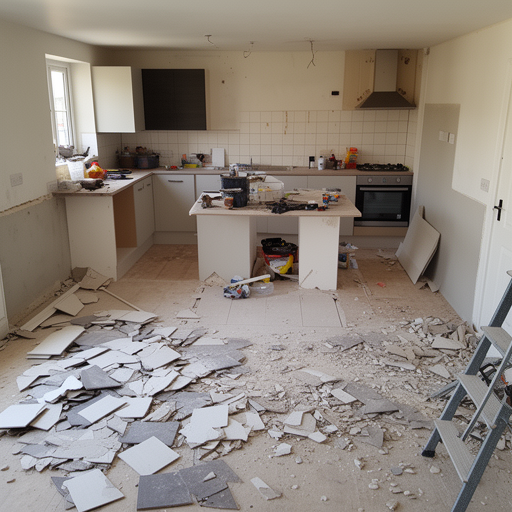
This is where kitchen and bathroom hacking Singapore services become an essential part of renovation planning.
Hacking works involve removing existing materials such as tiles, cement screed, concrete surfaces, and old fittings to create a clean base for new renovation works.
A properly planned hacking process allows contractors to install new:
- Tiles
- Waterproofing systems
- Plumbing connections
- Cabinets
- Fixtures
- Bathroom fittings
This guide explains the complete kitchen and bathroom hacking process, cost considerations, safety requirements, and preparation tips for homeowners in Singapore.
What Are Kitchen and Bathroom Hacking Works?
Kitchen and bathroom hacking refers to the removal of existing structures and finishing materials before renovation.
The purpose is to clear old surfaces and prepare the area for improvement.
Common hacking works include removing:
- Wall tiles
- Floor tiles
- Cement screed
- Old fixtures
- Built-in structures
- Damaged surfaces
Workers typically use specialised tools such as:
- Demolition hammers
- Electric breakers
- Tile removal tools
- Cutting equipment
Because kitchens and bathrooms contain plumbing systems and important building elements, hacking must be carried out carefully.
Incorrect hacking methods may cause:
- Pipe damage
- Water leakage
- Structural problems
- Additional repair costs
Professional hacking contractors assess the area first before deciding the safest approach.
Why Do Kitchens and Bathrooms Need Hacking During Renovation?
1. Removing Old Tiles
Tiles are one of the first things homeowners consider replacing.
Old tiles may become:
- Outdated
- Cracked
- Stained
- Difficult to maintain
Hacking removes the existing tiles so new designs can be installed.
For example, homeowners may replace older tiles with:
- Modern porcelain tiles
- Large-format tiles
- Contemporary designs
A clean surface provides better results for new tile installation.
2. Fixing Water Damage
Bathrooms and kitchens are exposed to moisture every day.
Over time, problems may develop such as:
- Water seepage
- Damaged grout
- Loose tiles
- Damp areas
Hacking allows contractors to remove affected layers and repair the problem properly.
Simply covering damaged surfaces may hide the issue temporarily but can lead to bigger problems later.
3. Upgrading Plumbing Systems
Kitchen and bathroom renovation often involves plumbing changes.
Hacking may be required to access:
- Water pipes
- Drainage routes
- Existing connections
This allows contractors to upgrade old systems and improve functionality.
4. Changing Layouts
Some homeowners want to redesign their kitchen or bathroom layout.
Examples include:
- Moving sinks
- Changing toilet positions
- Adjusting shower areas
- Creating more storage space
Hacking provides access for necessary renovation modifications.
Common Areas That Require Hacking Works
Kitchen Floor Hacking
Kitchen floors may require hacking before installing new finishes.
Common reasons include:
- Replacing old tiles
- Repairing uneven surfaces
- Preparing for new flooring
Kitchen floors must also be suitable for heavy usage and frequent cleaning.
Kitchen Wall Hacking
Wall hacking may be required for:
- Removing old wall tiles
- Installing new backsplash designs
- Adjusting plumbing routes
Contractors must work carefully around electrical points and water pipes.
Bathroom Floor Hacking
Bathroom floors often require hacking because they contain multiple layers.
These may include:
- Tiles
- Adhesive
- Screed
- Waterproofing layers
Removing old layers allows contractors to apply new waterproofing properly.
Bathroom Wall Hacking
Bathroom walls may need hacking for:
- Tile replacement
- Plumbing changes
- Fixture upgrades
Since bathrooms are wet areas, proper preparation is important.
Kitchen Hacking Process in Singapore
A typical kitchen hacking project follows several stages.
Step 1: Inspection and Planning
Before hacking begins, contractors inspect:
- Existing kitchen layout
- Tile condition
- Plumbing locations
- Electrical points
This helps determine what needs to be removed.
Step 2: Protect Surrounding Areas
The work area is prepared by covering:
- Nearby rooms
- Appliances
- Furniture
- Doorways
This helps reduce dust and debris spread.
Step 3: Remove Existing Materials
Workers remove:
- Floor tiles
- Wall tiles
- Old structures
The process depends on the renovation scope.
Step 4: Clear Debris
Broken materials are collected and removed.
Proper debris management keeps the renovation area safe.
Step 5: Prepare for Installation
After hacking, contractors prepare the area for:
- New tiles
- Cabinets
- Plumbing
- Electrical works
Bathroom Hacking Process in Singapore
Bathroom hacking requires careful planning because bathrooms involve waterproofing and drainage systems.
Step 1: Remove Existing Fixtures
Contractors may remove:
- Toilets
- Basins
- Shower fittings
- Accessories
Step 2: Hack Tiles and Screed
Old flooring and wall materials are removed.
This allows inspection of:
- Existing waterproofing
- Surface conditions
- Drainage areas
Step 3: Repair Base Conditions
Before new installation, contractors may need to:
- Level surfaces
- Repair damaged areas
- Prepare waterproofing layers
Step 4: Install New Finishes
After preparation, new works can begin.
These may include:
- Waterproofing
- Tile installation
- New bathroom fittings
Kitchen and Bathroom Hacking Cost Factors
The cost of hacking works depends on various factors.
Size of Area
Larger kitchens and bathrooms require:
- More labour
- More equipment
- More disposal
Amount of Materials Removed
A project involving:
- Floor tiles only
will usually differ from one involving:
- Floor tiles
- Wall tiles
- Screed
- Built structures
Accessibility
Some homes have limited working space.
Factors affecting difficulty include:
- Narrow entrances
- High-rise locations
- Limited storage areas
Disposal Requirements
Hacking creates construction waste.
Costs may include:
- Collection
- Transportation
- Disposal
Estimated Timeline for Hacking Works
The duration depends on:
- Renovation size
- Material type
- Work complexity
A simple bathroom hacking project may take less time than a complete kitchen and bathroom renovation.
Factors that may affect timing include:
- Thick concrete layers
- Additional repairs
- Unexpected issues
Proper scheduling helps prevent delays.
HDB and Condo Hacking Considerations
Many Singapore homeowners live in HDB flats and condominiums, where renovation requirements must be considered.
Before hacking works begin, homeowners should ensure:
- Proper renovation planning
- Compliance with building guidelines
- Safe working practices
Certain areas require more attention because they may affect:
- Structural components
- Shared building systems
- Neighbouring units
Experienced contractors understand how to plan hacking works appropriately.
Waterproofing After Hacking Works
Waterproofing is one of the most important steps after bathroom hacking.
Bathrooms require a proper waterproofing system to prevent:
- Water leakage
- Dampness
- Damage to nearby areas
The general process includes:
- Surface preparation
- Waterproofing application
- Testing
- Tile installation
Skipping proper waterproofing may cause expensive repairs later.
Preparing Your Home Before Hacking Starts
Remove Kitchen and Bathroom Items
Clear:
- Personal belongings
- Loose items
- Accessories
Protect Remaining Areas
Cover:
- Furniture
- Doors
- Nearby surfaces
Plan Temporary Access
During hacking, areas may become:
- Dusty
- Noisy
- Difficult to use
Plan accordingly, especially for bathroom renovations.
Confirm Work Details
Before starting, confirm:
- Hacking areas
- Renovation schedule
- Cleanup process
Common Problems During Kitchen and Bathroom Hacking
Hidden Pipe Issues
Old pipes may have:
- Damage
- Corrosion
- Leakage
Hacking may reveal issues requiring repair.
Excessive Dust and Noise
Hacking creates unavoidable disturbance.
Good contractors use proper methods to minimise impact.
Unexpected Repairs
After removing old materials, contractors may discover:
- Uneven surfaces
- Water damage
- Additional repair needs
A renovation budget should include some allowance for unexpected work.
How to Choose a Hacking Contractor in Singapore
Experience Matters
Choose contractors experienced in:
- Kitchen renovations
- Bathroom renovations
- Residential hacking works
Proper Tools and Equipment
Professional equipment improves:
- Safety
- Efficiency
- Accuracy
Clear Pricing
A good quotation should explain:
- Hacking scope
- Labour cost
- Waste disposal
- Timeline
Good Communication
Reliable contractors should explain:
- Work process
- Possible issues
- Expected completion time
Conclusion
Kitchen and bathroom hacking works are important preparation steps for many renovation projects in Singapore. Removing old tiles, damaged surfaces, and outdated structures creates a better foundation for new installations.
Whether you are upgrading a bathroom, redesigning a kitchen, or replacing old finishes, professional kitchen and bathroom hacking Singapore services help ensure safer and more durable renovation results.
With proper planning, the right contractor, and a clear understanding of the process, homeowners can complete their renovation projects smoothly and achieve a more comfortable living space.