
Expert Hacking and Demolition Services for Modern Renovations
In 2026, renovation standards in Singapore have evolved significantly. Property owners today expect not just speed and affordability, but also safety, compliance, sustainability, and precision. Whether you’re upgrading a resale HDB flat, transforming a condominium unit, or redeveloping a commercial space, the first and most critical phase is clearing out the old.
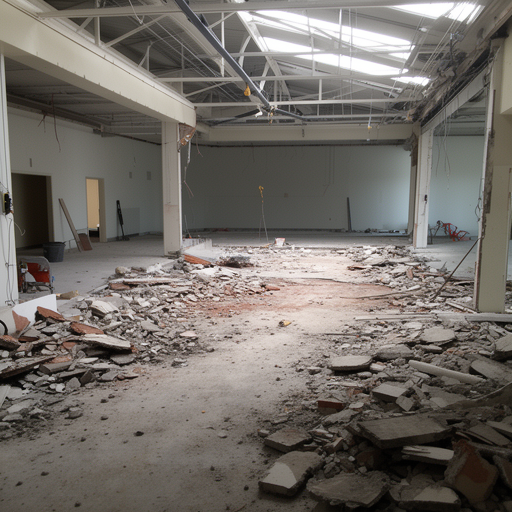
This is where professional hacking and demolition services come in.
Far from being simple “tear-down” work, modern demolition requires technical expertise, regulatory knowledge, and specialized equipment. Done correctly, it sets the foundation for a smooth renovation. Done poorly, it can lead to structural damage, legal issues, costly delays, and even safety hazards.
This guide covers everything you need to know about hacking and demolition services in Singapore—from definitions and processes to contractor selection and 2026 best practices.
What Are Hacking and Demolition Services?
Although often used interchangeably, hacking and demolition are distinct processes with different scopes and technical requirements.
Hacking (Selective Removal)
Hacking refers to the controlled removal of non-structural elements within a property. It is precise, targeted, and commonly used in interior renovations.
Typical hacking works include:
- Removing partition walls (non-load-bearing)
- Hacking floor screed, tiles, and finishes
- Dismantling built-in cabinets and carpentry
- Removing bathroom fittings and kitchen structures
- Ceiling and plasterboard removal
The goal of hacking is not destruction—but preparation. It creates a clean slate for redesigning layouts, upgrading materials, or modernizing interiors.
Demolition (Structural or Large-Scale Removal)
Demolition involves the partial or complete dismantling of structures, which may include structural elements depending on approvals.
Common demolition works include:
- Full unit strip-outs
- Structural wall removal (with approval)
- Roof dismantling (for landed properties)
- External structure removal (garages, extensions, fences)
- Commercial unit clearance
Demolition is more complex and often requires engineering assessments, permits, and strict compliance with safety regulations.
Key Difference
- Hacking = Controlled, interior, non-structural removal
- Demolition = Large-scale or structural dismantling
Both require expertise—but demolition carries higher risk and regulatory requirements.
Why Professional Services Are Essential in 2026
Hiring a professional hacking contractor is no longer optional—it’s necessary. Singapore’s construction regulations and safety expectations have become stricter, especially in high-density residential areas.
Here’s why professionals matter more than ever:
1. Strict Safety Compliance
Professional contractors follow updated workplace safety standards set by the Ministry of Manpower (MOM) and construction guidelines from the Building and Construction Authority (BCA).
This includes:
- Proper use of PPE (helmets, gloves, safety harnesses)
- Dust and debris control measures
- Noise management compliance
- Safe dismantling procedures
Improper demolition can cause:
- Structural instability
- Falling debris hazards
- Injury to occupants or workers
Professionals mitigate these risks systematically.
2. Regulatory Approval and Legal Compliance
In Singapore, not all hacking works are allowed—especially in HDB flats and condominiums.
Professional contractors help you:
- Identify load-bearing vs non-load-bearing walls
- Apply for necessary permits (e.g., HDB renovation permits)
- Comply with MCST (Management Corporation) rules for condos
- Avoid illegal structural modifications
Unauthorized works can result in fines, forced reinstatement, or legal action.
3. Efficiency and Project Speed
With the right tools and experience, professionals complete hacking and demolition quickly and cleanly.
Modern contractors use:
- Electric breakers and controlled cutting tools
- Dust extraction systems
- Advanced waste removal logistics
This reduces:
- Project delays
- Noise complaints
- Labor inefficiencies
4. Proper Waste Disposal and Sustainability
In 2026, sustainable renovation practices are becoming standard in Singapore.
Professional services ensure:
- Debris is sorted (concrete, metal, wood, tiles)
- Recyclable materials are recovered where possible
- Waste is disposed of at approved facilities
Illegal dumping or improper disposal can lead to penalties.
5. Insurance and Liability Protection
Reputable contractors carry insurance coverage, protecting you from:
- Accidental damage to neighboring units
- Worker injuries
- Structural mishaps
Without this, property owners may bear the financial risk.
Types of Hacking and Demolition Services
A comprehensive contractor should offer full-scope services tailored to different project needs.
Interior Hacking Services
- Wall hacking (non-structural partitions)
- Floor tile removal
- Ceiling dismantling
- Kitchen cabinet removal
- Bathroom hacking (tiles, fixtures, waterproofing layers)
Structural Demolition (With Approval)
- Load-bearing wall removal
- Beam and column modifications (engineering required)
- Structural slab alterations
Commercial Demolition
- Shop and retail unit clearing
- Office partition removal
- Industrial space strip-outs
- Tenant reinstatement works
External Demolition
- Fence and gate removal
- Garage demolition
- Outdoor structures (pergolas, sheds)
- Landscape clearing
Site Clearing and Disposal
- Debris removal
- Waste transportation
- Final site cleaning
How to Choose the Right Contractor
Choosing the wrong contractor can derail your entire renovation. Here’s what to look for in 2026:
1. Licensing and Accreditation
Ensure the contractor:
- Has relevant Singapore registrations
- Understands HDB and condo regulations
- Is experienced with your property type
Experience matters—especially for complex layouts.
2. Proven Track Record
Ask for:
- Past project photos
- Case studies
- Before-and-after transformations
Look for consistency in workmanship.
3. Transparent Pricing
A professional quote should include:
- Labor costs
- Equipment usage
- Debris disposal fees
- Permit handling (if applicable)
Avoid vague lump-sum pricing—it often hides extra charges.
4. Equipment and Technology
Modern contractors should use:
- Low-noise machinery
- Dust suppression systems
- Precision cutting tools
This improves efficiency and minimizes disruption.
5. Customer Reviews and Reputation
Check:
- Google reviews
- Renovation forums
- Social proof from real clients
Pay attention to comments about:
- Punctuality
- Cleanliness
- Safety practices
Preparing Your Property for Hacking or Demolition
Before work begins, proper preparation helps prevent damage and delays.
1. Remove Valuables and Fragile Items
Dust and vibrations can travel beyond the work area. Remove:
- Electronics
- Glass items
- Decorative pieces
2. Inform Neighbors
In high-density housing (HDB/condo):
- Notify neighbors in advance
- Respect allowed renovation hours
This helps avoid complaints.
3. Secure Permits Early
For HDB flats, renovation permits are mandatory for hacking works.
Condo projects may require:
- MCST approval
- Security deposits
- Work schedules
4. Plan Temporary Relocation
For major demolition:
- Noise and dust can be disruptive
- Temporary relocation may be more practical
Common Applications in Singapore
Hacking and demolition services are used across all property types.
HDB Flats
- Open-concept kitchen conversions
- Combining rooms for larger living spaces
- Bathroom upgrades
Condominiums
- Removing outdated layouts
- Replacing old flooring and fixtures
- Custom interior redesigns
Commercial Properties
- Retail unit reconfiguration
- Office redesigns
- Tenant reinstatement
Landed Homes
- Extension preparation
- Outdoor structure removal
- Full rebuild projects
2026 Trends in Hacking and Demolition
The industry is evolving with new technologies and priorities.
1. Dust-Free Demolition Systems
Advanced tools now reduce airborne dust significantly—important for indoor health and compliance.
2. Noise-Control Techniques
Low-noise machinery helps meet stricter residential regulations.
3. Sustainable Material Recovery
Recycling materials is becoming standard practice, reducing environmental impact.
4. Smart Planning with 3D Scanning
Some contractors use digital scanning to:
- Identify structural elements
- Plan precise demolition
- Avoid costly mistakes
5. Integrated Renovation Services
Many contractors now offer end-to-end solutions:
- Hacking
- Design
- Renovation
- Finishing
This streamlines project management.
Cost of Hacking and Demolition in Singapore (2026)
Pricing varies depending on:
- Property size
- Scope of work
- Structural complexity
- Disposal requirements
Typical ranges:
- Wall hacking: SGD $8 – $20 per sq ft
- Tile removal: SGD $5 – $15 per sq ft
- Full unit demolition: SGD $3,000 – $15,000+
Always request a detailed quote for accuracy.
Common Mistakes to Avoid
Avoid these costly errors:
- Hiring unlicensed contractors
- Skipping permit approvals
- Underestimating disposal costs
- Ignoring structural limitations
- Choosing based on price alone
Cutting corners at this stage can compromise the entire renovation.
Final Thoughts
Hacking and demolition are more than just the first step of renovation—they are the foundation of everything that follows.
A well-executed demolition ensures:
- Structural safety
- Regulatory compliance
- Smooth renovation workflow
- Long-term durability
In Singapore’s tightly regulated and high-density environment, professional expertise is essential. By choosing the right contractor and planning carefully, you can avoid unnecessary risks and set your project up for success.
Whether you’re upgrading a compact HDB flat, redesigning a luxury condominium, or preparing a commercial space for new tenants, investing in professional hacking and demolition services is one of the smartest decisions you can make in 2026.