
Complete Guide to Reinstatement Works in Singapore
Reinstatement works are a critical part of property management in Singapore, especially in a fast-moving rental market where commercial and residential spaces frequently change hands. Whether you are a tenant preparing to vacate a retail unit, an office occupant reaching the end of a lease, or a homeowner restoring a renovated space, reinstatement is often a contractual requirement that must be handled carefully and professionally.
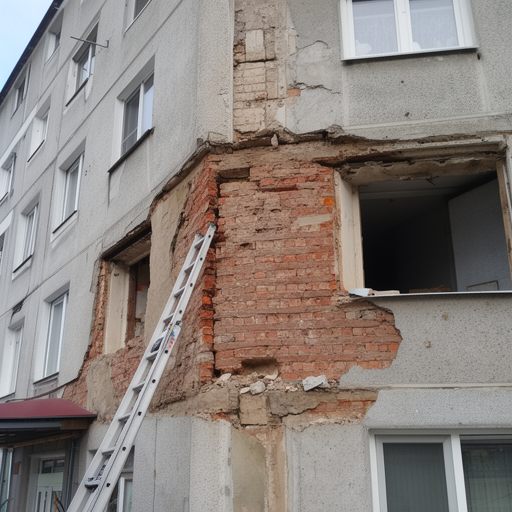
In 2026, reinstatement standards have become more stringent, with clearer expectations from landlords, stricter building management rules, and tighter regulatory compliance. Failing to meet these requirements can result in financial penalties, disputes, or loss of your security deposit.
This comprehensive guide explains what reinstatement works involve, when they are required, what the process looks like, and how to ensure your project is completed smoothly and cost-effectively.
What Are Reinstatement Works?
Reinstatement works refer to the process of restoring a property to its original condition before it was handed over to the tenant or owner. This typically involves removing all additions, alterations, and customizations made during the occupancy period.
These works are most commonly required at the end of a lease, particularly in:
- Offices
- Retail shops
- Restaurants
- Industrial units
- Commercial shophouses
In residential properties, reinstatement may also be required in certain agreements, especially for rental units or partially renovated homes.
Why Reinstatement Works Are Important
Reinstatement is not just a formality—it serves several important purposes:
1. Lease Compliance
Most tenancy agreements in Singapore clearly state that tenants must return the unit in its original condition. This includes removing all fixtures, fittings, and modifications unless otherwise agreed.
Failure to comply may result in:
- Deduction from security deposit
- Additional reinstatement charges imposed by the landlord
- Legal disputes
2. Preparing for the Next Tenant
Landlords require a neutral, clean space that can be easily leased to new tenants. Reinstatement ensures:
- Standardized layout
- Functional utilities
- Minimal additional renovation required
3. Maintaining Building Standards
Building management (especially in malls and office towers) enforces strict guidelines to maintain consistency across units. Proper reinstatement helps:
- Preserve building aesthetics
- Ensure safety compliance
- Avoid disruptions to neighboring units
4. Avoiding Hidden Liabilities
Unremoved modifications—such as electrical wiring or plumbing—can create safety risks. Reinstatement eliminates these liabilities before handover.
When Is Reinstatement Required?
Reinstatement is typically required in the following situations:
End of Lease
This is the most common scenario. Commercial tenants must restore the premises before returning the keys.
Early Lease Termination
If a lease is terminated early, reinstatement may still be required depending on contract terms.
Renovation Reversal
In some cases, property owners may choose to revert a space back to its original layout before selling or re-leasing.
Building Management Requirements
Certain developments require reinstatement even during tenancy changes or ownership transfers.
Scope of Reinstatement Works
The scope varies depending on the extent of modifications made during occupancy. A professional contractor will assess the unit and provide a detailed breakdown.
1. Dismantling and Removal Works
- Partition wall removal
- False ceiling dismantling
- Built-in carpentry removal
- Display fixtures and shelving removal
2. Flooring Restoration
- Removal of tiles, vinyl, carpet, or raised flooring
- Surface leveling and cleaning
- Reinstating original floor finishes (if required)
3. Ceiling Works
- Reinstallation of ceiling boards
- Removal of decorative or suspended ceilings
- Restoration of original ceiling height and structure
4. Electrical Reinstatement
- Removal of additional wiring
- Repositioning of power points
- Restoration of original electrical layout
- Safe disconnection of unauthorized installations
5. Plumbing and Mechanical Works
- Removal of added sinks or piping
- Reinstating original plumbing points
- Dismantling air-conditioning systems or compressors
6. Wall and Structural Repairs
- Patching holes and cracks
- Rebuilding damaged sections
- Restoring walls to original condition
7. Fixtures and Fittings Removal
- Lights, blinds, curtains
- Doors and partitions
- Signage and branding elements
8. Painting and Finishing
- Repainting walls to original color
- Surface touch-ups
- Final aesthetic restoration
9. Cleaning and Waste Disposal
- Debris removal
- Site cleaning
- Proper disposal of dismantled materials
Types of Reinstatement Projects in Singapore
Different property types come with different reinstatement requirements.
Shophouse Reinstatement
Shophouses are often subject to conservation guidelines. Reinstatement must be done carefully to preserve architectural features while removing tenant-specific modifications.
Typical works include:
- Removing modern fixtures
- Restoring original façade elements
- Ensuring compliance with conservation rules
Office Reinstatement
Office spaces are one of the most common reinstatement projects.
Scope typically includes:
- Partition removal
- Ceiling and lighting reinstatement
- Carpet or raised floor removal
- Electrical and data point restoration
The goal is to return the office to a bare or standard condition suitable for the next tenant.
Restaurant Reinstatement
Restaurant reinstatement is more complex due to heavy installations.
It may involve:
- Kitchen equipment removal
- Exhaust and ducting dismantling
- Grease trap and plumbing removal
- Fire safety system adjustments
Strict compliance with safety and hygiene standards is required.
Retail Reinstatement
Retail units in malls and shopping centers must follow strict guidelines.
Common works include:
- Removal of decorative features
- Dismantling storefront elements
- Restoring standard unit layout
Work is often restricted to non-operating hours to minimize disruption.
Industrial Reinstatement
Factories and warehouses may require:
- Machinery removal
- Electrical system dismantling
- Structural repairs
These projects can be large-scale and require specialized handling.
Why Hiring a Professional Contractor Matters
Reinstatement may seem straightforward, but it involves multiple technical disciplines. Hiring an experienced contractor is essential for several reasons.
1. Compliance with Regulations
Professional contractors understand:
- Building management requirements
- Fire safety regulations
- Electrical and structural standards
This reduces the risk of rejection during inspection.
2. Efficient Project Management
Reinstatement often comes with tight deadlines, especially at lease end. Professionals can:
- Plan workflows efficiently
- Coordinate multiple trades
- Complete works on time
3. Cost Control
An experienced contractor helps avoid:
- Rework due to non-compliance
- Unexpected penalties
- Delays that extend rental obligations
4. Proper Documentation
Some projects require:
- Work permits
- Method statements
- Completion reports
A professional ensures all documentation is properly handled.
5. Safety Assurance
Reinstatement involves dismantling, which can be hazardous. Professionals implement:
- Safe work procedures
- Protective measures
- Risk management protocols
How to Choose the Right Reinstatement Contractor
Selecting the right contractor can make a significant difference in both cost and outcome.
Experience and Specialization
Choose a contractor with proven experience in reinstatement—not just general renovation.
Clear and Detailed Quotation
A proper quote should include:
- Scope of work
- Timeline
- Material and labor costs
- Disposal fees
Familiarity with Building Requirements
Different buildings have different rules. Your hacking contractor should be familiar with:
- Mall regulations
- Office building guidelines
- Industrial safety standards
Strong Track Record
Look for:
- Client testimonials
- Past project examples
- Consistent delivery quality
Communication and Transparency
A good contractor keeps you informed throughout the project and addresses issues promptly.
Preparing for Reinstatement Works
Proper preparation ensures a smooth process.
Review Your Tenancy Agreement
Understand:
- Scope of reinstatement required
- Specific conditions
- Timeline for completion
Conduct a Site Inspection
Compare the current condition with the original handover state.
Remove Personal Belongings
Clear all items before work begins to avoid damage or delays.
Coordinate with Building Management
Secure necessary approvals and schedule works according to permitted hours.
Plan Your Timeline
Start early to avoid last-minute rush and penalties.
Cost of Reinstatement Works in Singapore (2026)
Costs vary depending on:
- Size of the unit
- Extent of modifications
- Complexity of dismantling
- Disposal requirements
Typical estimates:
- Small office: SGD $2,000 – $6,000
- Retail unit: SGD $5,000 – $20,000
- Restaurant: SGD $10,000 – $50,000+
Always request a site assessment for accurate pricing.
Common Mistakes to Avoid
Avoid these common pitfalls:
- Ignoring tenancy agreement details
- Hiring inexperienced contractors
- Delaying reinstatement planning
- Underestimating costs
- Failing to get proper approvals
These mistakes can lead to penalties and project delays.
Final Thoughts
Reinstatement works are a crucial responsibility for tenants and property owners in Singapore. More than just removing fixtures, it is about restoring a space to a compliant, safe, and leasable condition.
With stricter regulations and higher expectations in 2026, engaging a professional reinstatement contractor is the best way to ensure the job is done correctly, efficiently, and within budget.
By planning ahead, understanding your obligations, and working with experienced professionals, you can complete reinstatement smoothly and avoid unnecessary stress or financial loss.
If you are approaching the end of your lease or preparing to hand over a property, now is the time to assess your reinstatement requirements and engage a trusted contractor for a proper evaluation and quotation.