Category: Hacking

  • Renovation Contractor in Singapore (2026 Guide)

    Why Hiring the Right Renovation Contractor Matters More Than Ever

    Renovating a property in Singapore in 2026 is no longer just about aesthetics—it’s about compliance, efficiency, long-term durability, and smart investment. Whether you are upgrading an HDB flat, redesigning a condominium, or transforming a landed property, the contractor you choose will determine the success or failure of your entire project.

    A reliable renovation contractor does more than execute work—they coordinate trades, ensure compliance with regulations, manage timelines, control costs, and deliver quality workmanship that stands the test of time.

    Choosing the wrong contractor, on the other hand, can lead to delays, hidden costs, poor finishes, and even legal complications. This guide walks you through everything you need to know to hire the right renovation contractor in Singapore.

    Renovation Contractor in Singapore (2026 Guide)

    The Importance of a Reliable Renovation Contractor

    Compliance with Regulations

    Singapore has strict renovation rules, especially for HDB flats and condominiums. A professional contractor ensures compliance with guidelines set by the Housing & Development Board (HDB) and building management authorities.

    This includes:

    • Understanding structural limitations
    • Applying for necessary permits
    • Following approved working hours
    • Adhering to safety standards

    Failure to comply can result in fines, project stoppages, or mandatory reinstatement.


    Quality Workmanship

    Experienced contractors bring technical expertise and attention to detail. This translates into:

    • Smooth finishes and precise installations
    • Durable materials and proper application
    • Reduced need for repairs or rework

    High-quality workmanship not only improves daily living but also increases property value.


    Timely Project Completion

    Renovations can disrupt your daily routine, especially if you are living in the property during the process. A professional contractor:

    • Follows a structured timeline
    • Coordinates subcontractors efficiently
    • Minimizes unnecessary delays

    Timely completion helps you move in or resume operations without extended inconvenience.


    Cost Efficiency and Transparency

    A trustworthy contractor provides:

    • Clear and detailed quotations
    • Accurate cost estimates
    • Proper budget management

    This prevents unexpected expenses and helps you stay within your financial plan.


    Step-by-Step Guide to Hiring the Right Contractor

    1. Define Your Renovation Goals

    Start by clearly outlining what you want to achieve. Consider:

    • Which areas need renovation (kitchen, bathroom, entire unit)
    • Your preferred design style (modern, minimalist, industrial, etc.)
    • Materials and finishes you want
    • Functional requirements (storage, layout changes, smart home features)

    Having a clear vision helps contractors understand your expectations and provide accurate proposals.


    2. Set a Realistic Budget

    Before approaching contractors, determine how much you are willing to spend. Include:

    • Renovation costs
    • Furniture and fittings
    • Contingency buffer (typically 10–15%)

    A defined budget helps narrow down suitable contractors and avoids overspending.


    3. Research and Shortlist Contractors

    Look for contractors who are:

    • Experienced in your property type (HDB, condo, landed)
    • Familiar with Singapore regulations
    • Recommended by trusted sources

    You can find contractors through:

    • Referrals from friends and family
    • Online reviews and forums
    • Social media portfolios

    Shortlist at least 3–5 contractors for comparison.


    4. Verify Credentials and Experience

    Always check:

    • HDB registration (for HDB projects)
    • Business legitimacy and track record
    • Years of experience in the industry

    Review their portfolio to see if their past work matches your style and expectations. Consistency in quality is key.


    5. Request Detailed Quotations

    Ask for itemized quotations from multiple contractors. Each quote should include:

    • Breakdown of material costs
    • Labor charges
    • Timeline for each phase
    • Payment schedule
    • Scope of work

    Avoid vague or overly simplified quotes—they often lead to hidden costs later.


    6. Compare Proposals Carefully

    Do not automatically choose the cheapest option. Instead, evaluate:

    • Scope completeness
    • Material quality
    • Timeline realism
    • Contractor responsiveness

    A slightly higher quote may offer better value through superior workmanship and reliability.


    7. Check References and Past Work

    Speak to previous clients if possible. Ask about:

    • Whether the project was completed on time
    • Quality of workmanship
    • Communication and problem-solving
    • Overall satisfaction

    If feasible, visit completed projects to inspect the work firsthand.


    8. Understand the Timeline

    Discuss the expected project duration and milestones. A good contractor should provide:

    • Start and completion dates
    • Key phases of work
    • Buffer time for unexpected delays

    Clear timelines help manage expectations and avoid misunderstandings.


    9. Review and Sign a Detailed Contract

    Before work begins, ensure everything is documented in a written contract, including:

    • Scope of work
    • Materials and specifications
    • Timeline and milestones
    • Payment terms
    • Warranty and defect liability period

    A detailed contract protects both parties and ensures accountability.


    Understanding Renovation Guidelines in Singapore

    HDB Renovation Rules

    HDB has strict regulations to ensure safety and structural integrity.

    Permissible works include:

    • Painting and surface finishes
    • Installation of cabinets and fixtures
    • Non-structural wall modifications

    Prohibited works include:

    • Removing structural walls
    • Altering building façade
    • Overloading floor slabs

    Permits are required for many types of renovation work, especially hacking.


    Condominium Guidelines

    For condos, approval from the Management Corporation (MCST) is required.

    This may involve:

    • Submission of renovation plans
    • Payment of deposits
    • Compliance with working hours
    • Protection of common areas

    Landed Property Considerations

    Landed homes may require approvals for:

    • Structural changes
    • Extensions
    • External works

    Engaging an experienced contractor helps navigate these requirements.


    Key Services Offered by Renovation Contractors

    A full-service renovation contractor typically provides:

    • Space planning and layout design
    • Hacking and demolition
    • Carpentry and custom furniture
    • Electrical and plumbing works
    • Flooring and tiling
    • Painting and finishing
    • Project management

    Some contractors also offer design-and-build services for a more streamlined process.


    Tips for a Smooth Renovation Process

    Maintain Open Communication

    Regular communication with your contractor ensures:

    • Issues are addressed early
    • Changes are managed properly
    • Expectations remain aligned

    Monitor Progress Regularly

    Visit the site periodically to:

    • Check workmanship quality
    • Ensure progress matches the timeline
    • Identify potential issues early

    Be Flexible and Prepared

    Unexpected challenges may arise, such as:

    • Structural limitations
    • Material delays
    • Hidden defects

    Being flexible and responsive helps keep the project on track.


    Avoid Frequent Changes

    Last-minute changes can:

    • Increase costs
    • Delay completion
    • Disrupt workflow

    Finalize your design before work begins as much as possible.


    Cost of Renovation in Singapore (2026)

    Renovation costs vary depending on property type and scope:

    • HDB 3-room: SGD $20,000 – $50,000
    • HDB 4-room: SGD $30,000 – $80,000
    • Condominium: SGD $40,000 – $120,000
    • Landed property: SGD $100,000 – $500,000+

    Factors affecting cost include:

    • Size of property
    • Materials used
    • Complexity of design
    • Extent of structural changes

    Always include a contingency budget for unexpected expenses.


    Final Inspection and Project Completion

    Before making final payment, conduct a thorough inspection.

    What to Check:

    • Work matches agreed specifications
    • Finishes are smooth and defect-free
    • Fixtures and fittings function properly
    • No visible damage or incomplete work

    Defect Rectification

    List any issues and ensure they are resolved before closing the project.


    Warranty and Documentation

    Collect:

    • Warranty documents
    • Instruction manuals
    • Final invoices

    These are important for future maintenance and repairs.


    Common Mistakes to Avoid

    • Choosing contractors based on price alone
    • Skipping proper contracts
    • Ignoring regulatory requirements
    • Failing to monitor progress
    • Over-customizing beyond budget

    Avoiding these mistakes can save significant time and money.


    Final Thoughts

    Hiring the right renovation contractor in Singapore is one of the most important decisions in your renovation journey. Beyond aesthetics, a good contractor ensures your project is safe, compliant, efficient, and built to last.

    In 2026, with higher standards and evolving expectations, working with experienced professionals is essential. By planning carefully, doing proper research, and maintaining clear communication, you can transform your space with confidence and achieve results that meet both your vision and long-term needs.

    A successful renovation starts with the right partner—choose wisely, and the rest of the process becomes significantly smoother.

  • Singapore Reinstatement Works (2026 Guide)

    Complete Guide to Reinstatement Works in Singapore

    Reinstatement works are a critical part of property management in Singapore, especially in a fast-moving rental market where commercial and residential spaces frequently change hands. Whether you are a tenant preparing to vacate a retail unit, an office occupant reaching the end of a lease, or a homeowner restoring a renovated space, reinstatement is often a contractual requirement that must be handled carefully and professionally.

    Singapore Reinstatement Works (2026 Guide)

    In 2026, reinstatement standards have become more stringent, with clearer expectations from landlords, stricter building management rules, and tighter regulatory compliance. Failing to meet these requirements can result in financial penalties, disputes, or loss of your security deposit.

    This comprehensive guide explains what reinstatement works involve, when they are required, what the process looks like, and how to ensure your project is completed smoothly and cost-effectively.


    What Are Reinstatement Works?

    Reinstatement works refer to the process of restoring a property to its original condition before it was handed over to the tenant or owner. This typically involves removing all additions, alterations, and customizations made during the occupancy period.

    These works are most commonly required at the end of a lease, particularly in:

    • Offices
    • Retail shops
    • Restaurants
    • Industrial units
    • Commercial shophouses

    In residential properties, reinstatement may also be required in certain agreements, especially for rental units or partially renovated homes.


    Why Reinstatement Works Are Important

    Reinstatement is not just a formality—it serves several important purposes:

    1. Lease Compliance

    Most tenancy agreements in Singapore clearly state that tenants must return the unit in its original condition. This includes removing all fixtures, fittings, and modifications unless otherwise agreed.

    Failure to comply may result in:

    • Deduction from security deposit
    • Additional reinstatement charges imposed by the landlord
    • Legal disputes

    2. Preparing for the Next Tenant

    Landlords require a neutral, clean space that can be easily leased to new tenants. Reinstatement ensures:

    • Standardized layout
    • Functional utilities
    • Minimal additional renovation required

    3. Maintaining Building Standards

    Building management (especially in malls and office towers) enforces strict guidelines to maintain consistency across units. Proper reinstatement helps:

    • Preserve building aesthetics
    • Ensure safety compliance
    • Avoid disruptions to neighboring units

    4. Avoiding Hidden Liabilities

    Unremoved modifications—such as electrical wiring or plumbing—can create safety risks. Reinstatement eliminates these liabilities before handover.


    When Is Reinstatement Required?

    Reinstatement is typically required in the following situations:

    End of Lease

    This is the most common scenario. Commercial tenants must restore the premises before returning the keys.


    Early Lease Termination

    If a lease is terminated early, reinstatement may still be required depending on contract terms.


    Renovation Reversal

    In some cases, property owners may choose to revert a space back to its original layout before selling or re-leasing.


    Building Management Requirements

    Certain developments require reinstatement even during tenancy changes or ownership transfers.


    Scope of Reinstatement Works

    The scope varies depending on the extent of modifications made during occupancy. A professional contractor will assess the unit and provide a detailed breakdown.

    1. Dismantling and Removal Works

    • Partition wall removal
    • False ceiling dismantling
    • Built-in carpentry removal
    • Display fixtures and shelving removal

    2. Flooring Restoration

    • Removal of tiles, vinyl, carpet, or raised flooring
    • Surface leveling and cleaning
    • Reinstating original floor finishes (if required)

    3. Ceiling Works

    • Reinstallation of ceiling boards
    • Removal of decorative or suspended ceilings
    • Restoration of original ceiling height and structure

    4. Electrical Reinstatement

    • Removal of additional wiring
    • Repositioning of power points
    • Restoration of original electrical layout
    • Safe disconnection of unauthorized installations

    5. Plumbing and Mechanical Works

    • Removal of added sinks or piping
    • Reinstating original plumbing points
    • Dismantling air-conditioning systems or compressors

    6. Wall and Structural Repairs

    • Patching holes and cracks
    • Rebuilding damaged sections
    • Restoring walls to original condition

    7. Fixtures and Fittings Removal

    • Lights, blinds, curtains
    • Doors and partitions
    • Signage and branding elements

    8. Painting and Finishing

    • Repainting walls to original color
    • Surface touch-ups
    • Final aesthetic restoration

    9. Cleaning and Waste Disposal

    • Debris removal
    • Site cleaning
    • Proper disposal of dismantled materials

    Types of Reinstatement Projects in Singapore

    Different property types come with different reinstatement requirements.


    Shophouse Reinstatement

    Shophouses are often subject to conservation guidelines. Reinstatement must be done carefully to preserve architectural features while removing tenant-specific modifications.

    Typical works include:

    • Removing modern fixtures
    • Restoring original façade elements
    • Ensuring compliance with conservation rules

    Office Reinstatement

    Office spaces are one of the most common reinstatement projects.

    Scope typically includes:

    • Partition removal
    • Ceiling and lighting reinstatement
    • Carpet or raised floor removal
    • Electrical and data point restoration

    The goal is to return the office to a bare or standard condition suitable for the next tenant.


    Restaurant Reinstatement

    Restaurant reinstatement is more complex due to heavy installations.

    It may involve:

    • Kitchen equipment removal
    • Exhaust and ducting dismantling
    • Grease trap and plumbing removal
    • Fire safety system adjustments

    Strict compliance with safety and hygiene standards is required.


    Retail Reinstatement

    Retail units in malls and shopping centers must follow strict guidelines.

    Common works include:

    • Removal of decorative features
    • Dismantling storefront elements
    • Restoring standard unit layout

    Work is often restricted to non-operating hours to minimize disruption.


    Industrial Reinstatement

    Factories and warehouses may require:

    • Machinery removal
    • Electrical system dismantling
    • Structural repairs

    These projects can be large-scale and require specialized handling.


    Why Hiring a Professional Contractor Matters

    Reinstatement may seem straightforward, but it involves multiple technical disciplines. Hiring an experienced contractor is essential for several reasons.


    1. Compliance with Regulations

    Professional contractors understand:

    • Building management requirements
    • Fire safety regulations
    • Electrical and structural standards

    This reduces the risk of rejection during inspection.


    2. Efficient Project Management

    Reinstatement often comes with tight deadlines, especially at lease end. Professionals can:

    • Plan workflows efficiently
    • Coordinate multiple trades
    • Complete works on time

    3. Cost Control

    An experienced contractor helps avoid:

    • Rework due to non-compliance
    • Unexpected penalties
    • Delays that extend rental obligations

    4. Proper Documentation

    Some projects require:

    • Work permits
    • Method statements
    • Completion reports

    A professional ensures all documentation is properly handled.


    5. Safety Assurance

    Reinstatement involves dismantling, which can be hazardous. Professionals implement:

    • Safe work procedures
    • Protective measures
    • Risk management protocols

    How to Choose the Right Reinstatement Contractor

    Selecting the right contractor can make a significant difference in both cost and outcome.


    Experience and Specialization

    Choose a contractor with proven experience in reinstatement—not just general renovation.


    Clear and Detailed Quotation

    A proper quote should include:

    • Scope of work
    • Timeline
    • Material and labor costs
    • Disposal fees

    Familiarity with Building Requirements

    Different buildings have different rules. Your hacking contractor should be familiar with:

    • Mall regulations
    • Office building guidelines
    • Industrial safety standards

    Strong Track Record

    Look for:

    • Client testimonials
    • Past project examples
    • Consistent delivery quality

    Communication and Transparency

    A good contractor keeps you informed throughout the project and addresses issues promptly.


    Preparing for Reinstatement Works

    Proper preparation ensures a smooth process.


    Review Your Tenancy Agreement

    Understand:

    • Scope of reinstatement required
    • Specific conditions
    • Timeline for completion

    Conduct a Site Inspection

    Compare the current condition with the original handover state.


    Remove Personal Belongings

    Clear all items before work begins to avoid damage or delays.


    Coordinate with Building Management

    Secure necessary approvals and schedule works according to permitted hours.


    Plan Your Timeline

    Start early to avoid last-minute rush and penalties.


    Cost of Reinstatement Works in Singapore (2026)

    Costs vary depending on:

    • Size of the unit
    • Extent of modifications
    • Complexity of dismantling
    • Disposal requirements

    Typical estimates:

    • Small office: SGD $2,000 – $6,000
    • Retail unit: SGD $5,000 – $20,000
    • Restaurant: SGD $10,000 – $50,000+

    Always request a site assessment for accurate pricing.


    Common Mistakes to Avoid

    Avoid these common pitfalls:

    • Ignoring tenancy agreement details
    • Hiring inexperienced contractors
    • Delaying reinstatement planning
    • Underestimating costs
    • Failing to get proper approvals

    These mistakes can lead to penalties and project delays.


    Final Thoughts

    Reinstatement works are a crucial responsibility for tenants and property owners in Singapore. More than just removing fixtures, it is about restoring a space to a compliant, safe, and leasable condition.

    With stricter regulations and higher expectations in 2026, engaging a professional reinstatement contractor is the best way to ensure the job is done correctly, efficiently, and within budget.

    By planning ahead, understanding your obligations, and working with experienced professionals, you can complete reinstatement smoothly and avoid unnecessary stress or financial loss.

    If you are approaching the end of your lease or preparing to hand over a property, now is the time to assess your reinstatement requirements and engage a trusted contractor for a proper evaluation and quotation.

  • Hacking and Demolition Services in Singapore (2026 Guide)


    Expert Hacking and Demolition Services for Modern Renovations

    In 2026, renovation standards in Singapore have evolved significantly. Property owners today expect not just speed and affordability, but also safety, compliance, sustainability, and precision. Whether you’re upgrading a resale HDB flat, transforming a condominium unit, or redeveloping a commercial space, the first and most critical phase is clearing out the old.

    Hacking and Demolition Services in Singapore (2026 Guide)

    This is where professional hacking and demolition services come in.

    Far from being simple “tear-down” work, modern demolition requires technical expertise, regulatory knowledge, and specialized equipment. Done correctly, it sets the foundation for a smooth renovation. Done poorly, it can lead to structural damage, legal issues, costly delays, and even safety hazards.

    This guide covers everything you need to know about hacking and demolition services in Singapore—from definitions and processes to contractor selection and 2026 best practices.


    What Are Hacking and Demolition Services?

    Although often used interchangeably, hacking and demolition are distinct processes with different scopes and technical requirements.

    Hacking (Selective Removal)

    Hacking refers to the controlled removal of non-structural elements within a property. It is precise, targeted, and commonly used in interior renovations.

    Typical hacking works include:

    • Removing partition walls (non-load-bearing)
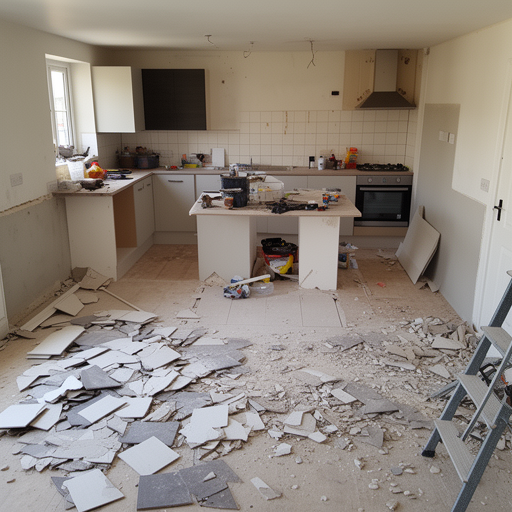
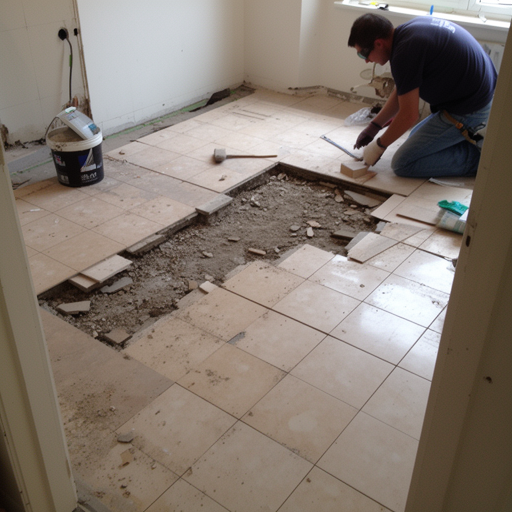
    • Hacking floor screed, tiles, and finishes
    • Dismantling built-in cabinets and carpentry
    • Removing bathroom fittings and kitchen structures
    • Ceiling and plasterboard removal

    The goal of hacking is not destruction—but preparation. It creates a clean slate for redesigning layouts, upgrading materials, or modernizing interiors.


    Demolition (Structural or Large-Scale Removal)

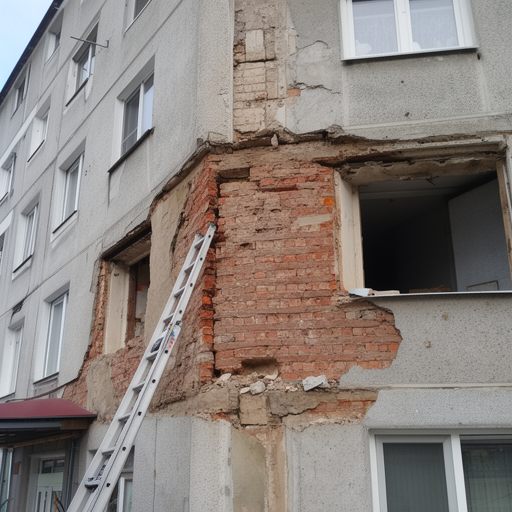
    Demolition involves the partial or complete dismantling of structures, which may include structural elements depending on approvals.

    Common demolition works include:

    • Full unit strip-outs
    • Structural wall removal (with approval)
    • Roof dismantling (for landed properties)
    • External structure removal (garages, extensions, fences)
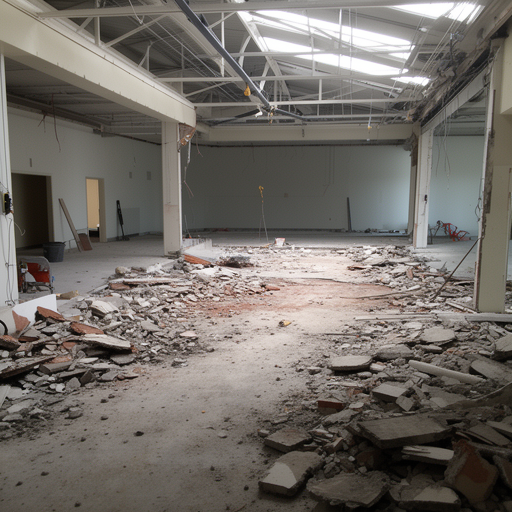
    • Commercial unit clearance

    Demolition is more complex and often requires engineering assessments, permits, and strict compliance with safety regulations.


    Key Difference

    • Hacking = Controlled, interior, non-structural removal
    • Demolition = Large-scale or structural dismantling

    Both require expertise—but demolition carries higher risk and regulatory requirements.


    Why Professional Services Are Essential in 2026

    Hiring a professional hacking contractor is no longer optional—it’s necessary. Singapore’s construction regulations and safety expectations have become stricter, especially in high-density residential areas.

    Here’s why professionals matter more than ever:

    1. Strict Safety Compliance

    Professional contractors follow updated workplace safety standards set by the Ministry of Manpower (MOM) and construction guidelines from the Building and Construction Authority (BCA).

    This includes:

    • Proper use of PPE (helmets, gloves, safety harnesses)
    • Dust and debris control measures
    • Noise management compliance
    • Safe dismantling procedures

    Improper demolition can cause:

    • Structural instability
    • Falling debris hazards
    • Injury to occupants or workers

    Professionals mitigate these risks systematically.


    2. Regulatory Approval and Legal Compliance

    In Singapore, not all hacking works are allowed—especially in HDB flats and condominiums.

    Professional contractors help you:

    • Identify load-bearing vs non-load-bearing walls
    • Apply for necessary permits (e.g., HDB renovation permits)
    • Comply with MCST (Management Corporation) rules for condos
    • Avoid illegal structural modifications

    Unauthorized works can result in fines, forced reinstatement, or legal action.


    3. Efficiency and Project Speed

    With the right tools and experience, professionals complete hacking and demolition quickly and cleanly.

    Modern contractors use:

    • Electric breakers and controlled cutting tools
    • Dust extraction systems
    • Advanced waste removal logistics

    This reduces:

    • Project delays
    • Noise complaints
    • Labor inefficiencies

    4. Proper Waste Disposal and Sustainability

    In 2026, sustainable renovation practices are becoming standard in Singapore.

    Professional services ensure:

    • Debris is sorted (concrete, metal, wood, tiles)
    • Recyclable materials are recovered where possible
    • Waste is disposed of at approved facilities

    Illegal dumping or improper disposal can lead to penalties.


    5. Insurance and Liability Protection

    Reputable contractors carry insurance coverage, protecting you from:

    • Accidental damage to neighboring units
    • Worker injuries
    • Structural mishaps

    Without this, property owners may bear the financial risk.


    Types of Hacking and Demolition Services

    A comprehensive contractor should offer full-scope services tailored to different project needs.

    Interior Hacking Services

    • Wall hacking (non-structural partitions)
    • Floor tile removal
    • Ceiling dismantling
    • Kitchen cabinet removal
    • Bathroom hacking (tiles, fixtures, waterproofing layers)

    Structural Demolition (With Approval)

    • Load-bearing wall removal
    • Beam and column modifications (engineering required)
    • Structural slab alterations

    Commercial Demolition

    • Shop and retail unit clearing
    • Office partition removal
    • Industrial space strip-outs
    • Tenant reinstatement works

    External Demolition

    • Fence and gate removal
    • Garage demolition
    • Outdoor structures (pergolas, sheds)
    • Landscape clearing

    Site Clearing and Disposal

    • Debris removal
    • Waste transportation
    • Final site cleaning

    How to Choose the Right Contractor

    Choosing the wrong contractor can derail your entire renovation. Here’s what to look for in 2026:

    1. Licensing and Accreditation

    Ensure the contractor:

    • Has relevant Singapore registrations
    • Understands HDB and condo regulations
    • Is experienced with your property type

    Experience matters—especially for complex layouts.


    2. Proven Track Record

    Ask for:

    • Past project photos
    • Case studies
    • Before-and-after transformations

    Look for consistency in workmanship.


    3. Transparent Pricing

    A professional quote should include:

    • Labor costs
    • Equipment usage
    • Debris disposal fees
    • Permit handling (if applicable)

    Avoid vague lump-sum pricing—it often hides extra charges.


    4. Equipment and Technology

    Modern contractors should use:

    • Low-noise machinery
    • Dust suppression systems
    • Precision cutting tools

    This improves efficiency and minimizes disruption.


    5. Customer Reviews and Reputation

    Check:

    • Google reviews
    • Renovation forums
    • Social proof from real clients

    Pay attention to comments about:

    • Punctuality
    • Cleanliness
    • Safety practices

    Preparing Your Property for Hacking or Demolition

    Before work begins, proper preparation helps prevent damage and delays.

    1. Remove Valuables and Fragile Items

    Dust and vibrations can travel beyond the work area. Remove:

    • Electronics
    • Glass items
    • Decorative pieces

    2. Inform Neighbors

    In high-density housing (HDB/condo):

    • Notify neighbors in advance
    • Respect allowed renovation hours

    This helps avoid complaints.


    3. Secure Permits Early

    For HDB flats, renovation permits are mandatory for hacking works.

    Condo projects may require:

    • MCST approval
    • Security deposits
    • Work schedules

    4. Plan Temporary Relocation

    For major demolition:

    • Noise and dust can be disruptive
    • Temporary relocation may be more practical

    Common Applications in Singapore

    Hacking and demolition services are used across all property types.

    HDB Flats

    • Open-concept kitchen conversions
    • Combining rooms for larger living spaces
    • Bathroom upgrades

    Condominiums

    • Removing outdated layouts
    • Replacing old flooring and fixtures
    • Custom interior redesigns

    Commercial Properties

    • Retail unit reconfiguration
    • Office redesigns
    • Tenant reinstatement

    Landed Homes

    • Extension preparation
    • Outdoor structure removal
    • Full rebuild projects

    2026 Trends in Hacking and Demolition

    The industry is evolving with new technologies and priorities.

    1. Dust-Free Demolition Systems

    Advanced tools now reduce airborne dust significantly—important for indoor health and compliance.


    2. Noise-Control Techniques

    Low-noise machinery helps meet stricter residential regulations.


    3. Sustainable Material Recovery

    Recycling materials is becoming standard practice, reducing environmental impact.


    4. Smart Planning with 3D Scanning

    Some contractors use digital scanning to:

    • Identify structural elements
    • Plan precise demolition
    • Avoid costly mistakes

    5. Integrated Renovation Services

    Many contractors now offer end-to-end solutions:

    • Hacking
    • Design
    • Renovation
    • Finishing

    This streamlines project management.


    Cost of Hacking and Demolition in Singapore (2026)

    Pricing varies depending on:

    • Property size
    • Scope of work
    • Structural complexity
    • Disposal requirements

    Typical ranges:

    • Wall hacking: SGD $8 – $20 per sq ft
    • Tile removal: SGD $5 – $15 per sq ft
    • Full unit demolition: SGD $3,000 – $15,000+

    Always request a detailed quote for accuracy.


    Common Mistakes to Avoid

    Avoid these costly errors:

    • Hiring unlicensed contractors
    • Skipping permit approvals
    • Underestimating disposal costs
    • Ignoring structural limitations
    • Choosing based on price alone

    Cutting corners at this stage can compromise the entire renovation.


    Final Thoughts

    Hacking and demolition are more than just the first step of renovation—they are the foundation of everything that follows.

    A well-executed demolition ensures:

    • Structural safety
    • Regulatory compliance
    • Smooth renovation workflow
    • Long-term durability

    In Singapore’s tightly regulated and high-density environment, professional expertise is essential. By choosing the right contractor and planning carefully, you can avoid unnecessary risks and set your project up for success.

    Whether you’re upgrading a compact HDB flat, redesigning a luxury condominium, or preparing a commercial space for new tenants, investing in professional hacking and demolition services is one of the smartest decisions you can make in 2026.

  • Wall Hacking in Singapore (2026 Guide): Costs, Permits & Safety Rules


    What is Wall Hacking in Singapore?

    Wall hacking in Singapore refers to the process of demolishing or modifying internal walls in a residential property to change its layout. It is commonly used during renovation to create more functional and modern living spaces.

    Wall Hacking in Singapore (2026 Guide): Costs, Permits & Safety Rules

    Popular reasons for wall hacking include:

    • Creating open-concept living and dining areas
    • Combining rooms to increase usable space
    • Improving natural lighting and airflow
    • Enhancing interior design flexibility

    While wall hacking can significantly improve home aesthetics and functionality, it must be done carefully and legally under Singapore’s strict renovation regulations.


    Do You Need a Permit for Wall Hacking in Singapore?

    Yes. In most cases, wall hacking requires approval from relevant authorities depending on your property type.


    HDB Flats

    For HDB wall hacking in Singapore, homeowners must:

    • Engage an HDB-licensed renovation contractor
    • Submit renovation plans for approval
    • Obtain an official HDB hacking permit before starting work

    Unauthorized wall hacking in HDB flats can lead to fines, legal action, and mandatory restoration of the property.


    Private Properties & Condominiums

    For private properties and condos, requirements include:

    • Approval from the Management Corporation Strata Title (MCST)
    • Compliance with Building and Construction Authority (BCA) guidelines
    • Structural assessment by a Professional Engineer (PE) if required

    Following proper approval procedures ensures safety and prevents legal issues.


    Which Walls Can Be Hacked?

    Not all walls in Singapore homes are safe or allowed to remove.

    1. Load-Bearing Walls

    • Support the structure of the building
    • Cannot be removed without PE approval
    • Requires strict engineering assessment

    2. Non-Load-Bearing Walls

    • Do not support structural weight
    • Can usually be removed with approval
    • Still require renovation permit (for HDB and condos)

    Always refer to floor plans or consult a professional before starting any hacking work.


    Wall Hacking Cost in Singapore (2025 Estimates)

    The cost of wall hacking in Singapore depends on complexity, wall type, and additional renovation work.

    Average Pricing:

    • Basic wall hacking: $300 – $1,000 per wall
    • Complex structural work: $3,000 – $18,000+

    Additional Costs:

    • Professional Engineer (PE) report: ~$1,500+
    • Debris removal & disposal: $100 – $500
    • Repair & finishing (plastering, painting): varies by scope

    Tip: Always request a detailed quotation from a licensed wall hacking contractor in Singapore before starting.


    Safety Considerations for Wall Hacking

    Safety is a critical factor in any renovation involving wall demolition.

    Key safety measures include:

    • Structural risk assessment before hacking
    • Proper protective equipment (helmets, gloves, goggles)
    • Compliance with HDB or BCA regulations
    • Checking for hidden electrical wiring or plumbing

    Hiring experienced contractors significantly reduces safety risks during renovation.


    Common Problems During Wall Hacking

    Homeowners may face unexpected issues such as:

    • Hidden electrical cables or water pipes inside walls
    • Discovering load-bearing structures
    • Additional repair costs after demolition
    • Delays due to permit approvals

    Proper planning and professional inspection can help prevent costly surprises.


    How to Choose a Wall Hacking Contractor in Singapore

    Selecting the right contractor is essential for safe and compliant renovation.

    What to look for:

    • HDB-registered or licensed renovation contractor
    • Proven experience in wall hacking projects
    • Transparent pricing and detailed quotations
    • Positive client reviews and portfolio of past work

    A reliable contractor will also assist with permit applications and compliance procedures.


    Conclusion: Is Wall Hacking Worth It in Singapore?

    Wall hacking in Singapore is an effective way to transform your home into a modern, open, and functional space. However, it must be done with proper approval, safety checks, and professional execution.

    To ensure a smooth renovation:

    • Always apply for the required permits
    • Work with licensed contractors
    • Understand structural limitations before starting

    With the right planning, wall hacking can significantly improve your home layout while staying fully compliant with Singapore regulations.

  • HDB Hacking Permit Guide in Singapore (2026): Rules, Process & Requirements


    What is HDB Hacking in Singapore Renovation?

    In Singapore HDB renovation projects, “hacking” refers to the demolition or removal of existing built-in structures within an HDB flat.

    Common hacking works include:

    • Removing internal walls to create open spaces
    • Breaking floor tiles, wall tiles, or screed
    • Dismantling kitchen cabinets or bathroom fittings
    • Cutting concrete surfaces or ceilings
    • Creating new door or window openings

    Hacking is a key part of modern HDB renovation, especially for homeowners who want open-concept layouts or upgraded interiors. However, it is strictly regulated by HDB.

    HDB Hacking Permit Guide in Singapore (2026): Rules, Process & Requirements

    Why is an HDB Hacking Permit Required?

    An HDB hacking permit in Singapore is mandatory because renovation works can affect building safety and structural integrity.

    Key reasons include:

    1. Structural Safety

    Some walls are load-bearing. Removing them without approval can compromise the entire building structure.

    2. Protection of Utilities

    Hacking may expose electrical wiring, water pipes, or gas lines, which can be dangerous if mishandled.

    3. Noise & Community Control

    HDB regulates renovation timing to reduce disturbance to neighbours.

    4. Legal Compliance

    Unauthorized hacking can lead to fines, penalties, and mandatory reinstatement of the flat.


    What HDB Hacking Works Require a Permit?

    You must apply for an HDB renovation permit if your works involve:

    • Demolishing or altering walls
    • Removing floor or wall tiles
    • Cutting concrete structures
    • Creating new openings (doors/windows)
    • Modifying household shelter openings

    No Permit Required For:

    • Painting walls
    • Installing lights or fans
    • Replacing cabinet doors
    • Minor decorative works

    When unsure, always consult an HDB-approved contractor.


    How to Apply for an HDB Hacking Permit

    Here is the step-by-step HDB renovation permit process in Singapore:

    Step 1: Engage an HDB-Registered Contractor

    Only HDB-approved renovation contractors can submit hacking permit applications.

    Step 2: Submit Renovation Application

    Your contractor will apply via the HDB e-Service system with:

    • Floor plans
    • Scope of hacking works
    • Structural details

    Step 3: HDB Review & Approval

    Approval usually takes:

    • 1–2 weeks for standard works
    • Longer if a Professional Engineer (PE) report is required

    Step 4: Permit Issuance

    Once approved, the permit must be:

    • Printed
    • Displayed at your HDB unit entrance during renovation

    HDB Renovation Duration & Permit Validity

    HDB hacking permits in Singapore come with strict timelines:

    • New BTO flats: Up to 3 months
    • Resale flats: Typically 1 month

    If renovation exceeds the approved timeline, you must apply for an extension.


    Common Mistakes to Avoid During HDB Hacking

    Avoid these costly renovation errors:

    ❌ Starting work without approval

    This can lead to fines and forced restoration.

    ❌ Hiring non-HDB licensed contractors

    Only registered contractors are allowed to carry out hacking works.

    ❌ Removing structural walls blindly

    Not all walls can be removed—some are load-bearing.

    ❌ Ignoring renovation hours

    HDB allows:

    • Weekdays: 9am – 5pm
    • No noisy work on weekends & public holidays

    Penalties for Unauthorized HDB Hacking

    Carrying out hacking without an approved permit can result in:

    • Heavy fines from HDB
    • Mandatory reinstatement of affected structures
    • Delays in selling or renting your flat
    • Safety risks to your household and neighbours

    Conclusion: Always Get an HDB Hacking Permit First

    HDB hacking can transform your home into a modern, open, and functional living space—but only when done legally and safely.

    To ensure a smooth renovation:

    • Work only with HDB-licensed contractors
    • Apply for all required permits before starting
    • Follow HDB renovation guidelines strictly

    By complying with HDB hacking permit regulations in Singapore, you protect your home, your investment, and your neighbours.